


.png)

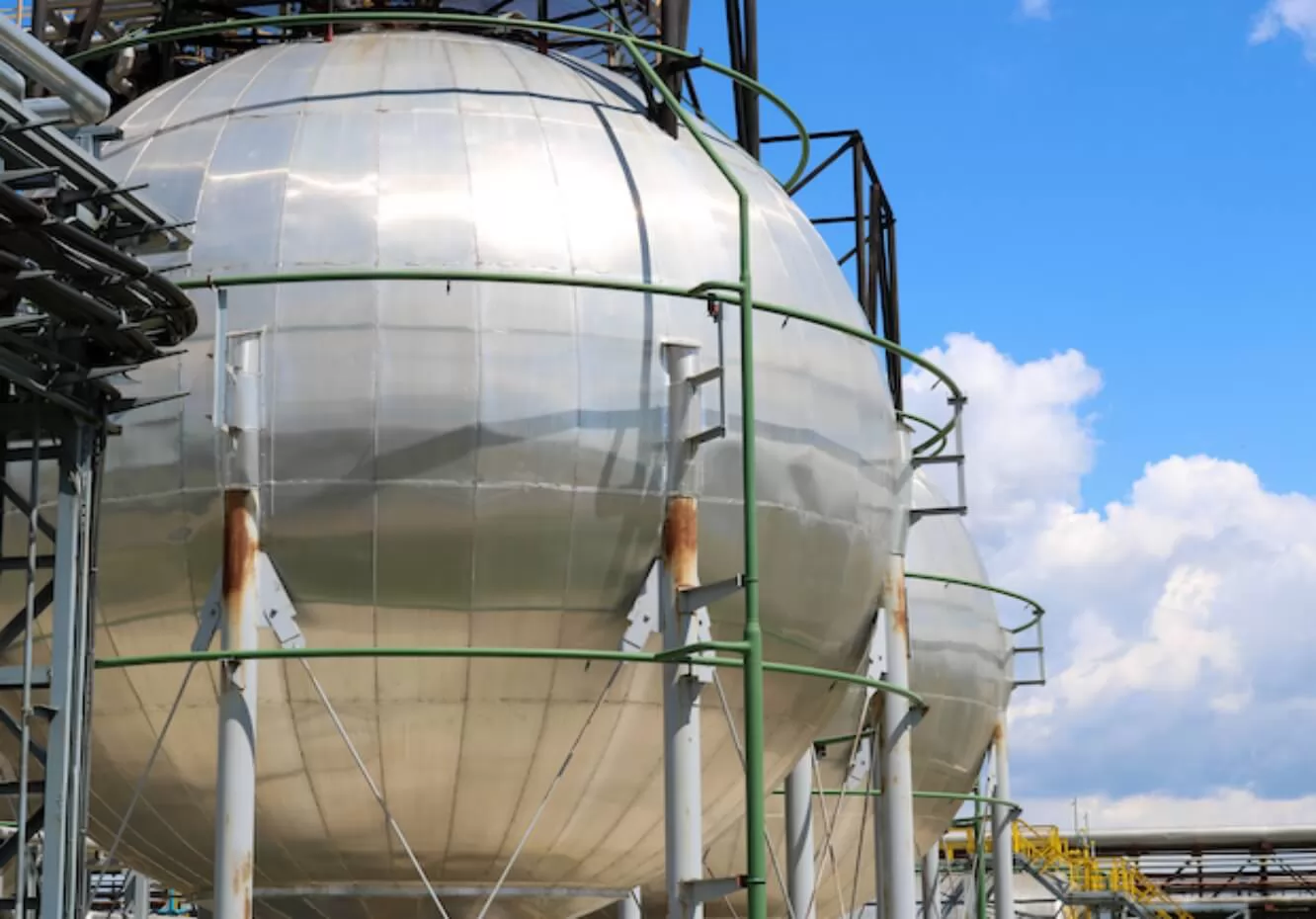
Italian engineering and technology group MAIRE recently announced that its sustainable technology subsidiary NEXTCHEM has secured a contract valued at approximately €485 million. The scope includes technology licensing, preparation of Process Design Packages (PDP), and supply of critical proprietary equipment for several large fertilizer and chemical complexes planned in West Africa.
The development program covers three world-scale industrial complexes located in the region. Two of the facilities will focus mainly on nitrogen fertilizer production, while the third will combine ammonia and methanol production within the same site. The urea process technology will be provided by Stamicarbon, a well-known licensor in the global urea industry.
According to available information, the overall project configuration includes:
five hydrogen production units
five ammonia synthesis units
four urea melt production lines
six urea granulation units
one integrated ammonia–methanol complex
Once completed, the fertilizer section alone is expected to produce more than 3 million tonnes of urea annually, making the development one of the largest fertilizer projects in West Africa.
Hydrogen production is the first step in the process chain and is typically based on natural gas reforming technologies, such as autothermal reforming (ATR) or steam methane reforming (SMR).
Major equipment in this section usually includes:
reformers or ATR reactors
waste heat boilers
process gas coolers
CO₂ removal systems
syngas compressors
fired heaters
These units operate at temperatures often exceeding 800°C, so materials capable of handling high temperature and pressure are required. Pressure vessels and reactor shells are commonly fabricated from Cr-Mo alloy steels such as SA387 Gr.11 or SA387 Gr.22, while high-temperature piping often uses P11 or P22 alloy steel.
Heat exchangers and gas coolers may use stainless steels such as 304H, 321 or 347 to ensure resistance to oxidation and thermal stress.
The hydrogen generated in the reforming section is combined with nitrogen to produce ammonia through a high-pressure catalytic synthesis process.
Typical equipment in the ammonia loop includes:
ammonia converters
synthesis loop compressors
high-pressure separators
ammonia condensers
heat recovery exchangers
refrigeration systems
Most of these pressure vessels operate at 150–250 bar, and the shells are typically fabricated from carbon steel plates such as SA516 Gr.70 or low-alloy steels.
In certain ammonia service environments where corrosion protection is required, equipment such as separators, heat exchangers or storage vessels may use stainless steel lining or clad plate construction, combining a carbon steel base with a stainless steel clad layer (for example 304L or 316L clad plate) to provide both strength and corrosion resistance.
The urea synthesis section is the most demanding part of the plant from a corrosion standpoint. Ammonia and carbon dioxide react under high pressure to form ammonium carbamate, which is highly corrosive to most common materials.
Core equipment in this section typically includes:
urea synthesis reactors
high-pressure carbamate condensers
urea strippers
high-pressure decomposition vessels
evaporators and urea melt tanks
To withstand the severe carbamate environment, these pressure vessels are very often manufactured using clad plate construction. In this design, carbon steel such as SA516 Gr.70 is used as the base material, while the internal corrosion-resistant layer is provided by stainless or nickel alloy clad materials.
Typical cladding materials used in urea plants include:
25-22-2 stainless steel (urea grade)
316L modified for urea service
nickel alloys such as Alloy 825
As a result, critical equipment such as urea reactors, carbamate condensers and strippers are commonly fabricated from explosion-bonded or roll-bonded clad plates, which provide both mechanical strength and excellent corrosion resistance.
After synthesis, the molten urea must be converted into solid fertilizer products through granulation.
The granulation section typically includes:
fluidized bed granulators
dryers and coolers
screening systems
dust collection and scrubbing units
Corrosion conditions in this area are less severe compared with the synthesis loop. Therefore, most structural equipment such as granulators, conveyors and towers are fabricated from carbon steel, although stainless steels such as 304 or 316 may be used for equipment exposed to moisture, urea dust or mildly corrosive environments.
One of the planned complexes will integrate ammonia and methanol production, allowing flexible use of synthesis gas depending on market demand.
Major equipment for the methanol unit may include:
methanol synthesis reactors
syngas compressors
methanol condensers
distillation columns
storage tanks
Pressure vessels and columns are typically manufactured from carbon steel materials, while internal components and heat exchangers may use stainless steels such as 304L or 316L. In certain process sections where corrosion resistance is required, clad plate construction may also be applied, combining carbon steel strength with stainless steel corrosion protection.
Nanjing Fugo New Material Tech Co., Ltd. (Fugo Tech) is an ISO 9001 and PED 2014/68/EU certified manufacturer specializing in Clad Material (Explosive Clad Plates & Rolled Clad Plates/Clad Dish Heads/Clad Tube Sheets) and Titanium, Nickel Alloy, Copper Alloy and Stainless Steel products (Pipe/Tube/Fitting/Flange/Forging) which are widely used in the Heat Exchanger, Pressure Vessel, Reactor, Column, Tower, and other process equipment.
Fugo Tech offers different material combinations of Clad Plate (Explosion-welded clad plate/composite plate & Rolled-welded clad plate/composite plate) , and also offers a wide range of materials, including Titanium, Nickel Alloy, Copper, Cu-Ni, and Stainless Steel, along with custom processing services (Tube Sheet drilling, and Dish Head forming) for Oil & Gas, Petrochemical, Chemical, Energy, Paper & Pulp, Marine, Shipbuilding, Environment, Metallurgy, and New Energy Vehicles, with a strong focus on high-performance Clad Plate & Titanium & Nickel Alloy & Stainless Steel solutions.
For any new requirement, please contact: sales@fugo-tech.com

















Fugo Tech is focused on the manufacturing of clad metal plate and distributes the Stainless Steel, Titanium, Nickel Alloy, Zirconium and other non-ferrous metal pipes, fittings, and flanges.