


.png)

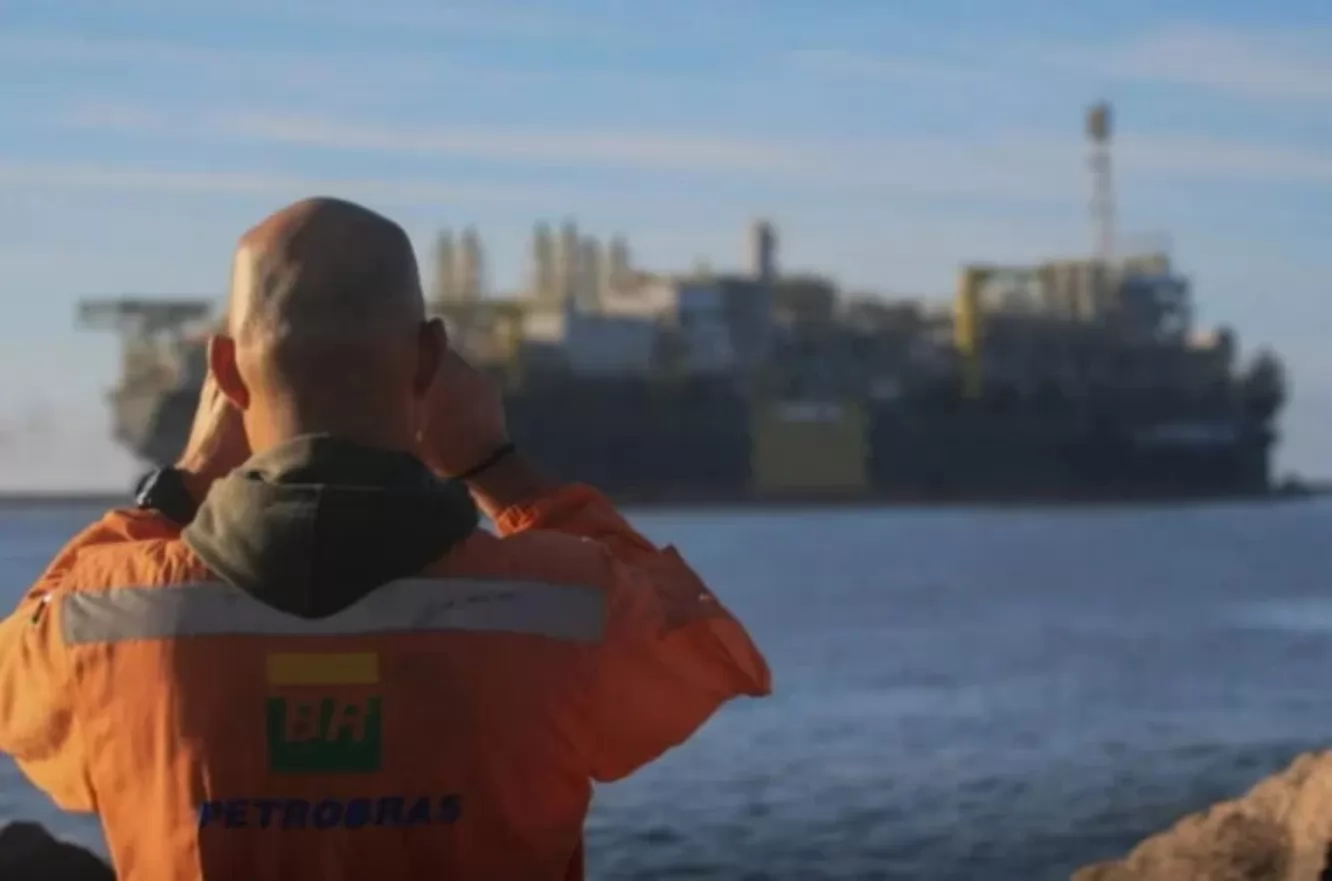
Brazil’s state-owned energy company Petrobras and Mexico’s Pemex have signed a memorandum of understanding (MoU) to evaluate potential cooperation in oil and gas projects across exploration, production, and industrial operations.
The agreement establishes a non-binding framework for technical and strategic collaboration, including joint assessment of upstream opportunities and supporting industrial activities.
Petrobras is widely recognized for its deepwater expertise, particularly in pre-salt offshore developments where complex reservoirs require advanced subsea and production technologies.
Pemex is seeking to strengthen production recovery and explore new development opportunities, particularly in mature fields and deepwater areas such as the Gulf of Mexico.
According to the agreement, both companies will evaluate potential cooperation in:
· Exploration and production (E&P) projects
· Mature field revitalization
· Seismic data reprocessing and interpretation
· Deepwater and ultra-deepwater development opportunities
· Refining, petrochemicals, and gas processing
The MoU is valid for two years and does not include any binding investment commitments at this stage.
A key area of potential collaboration is the Gulf of Mexico, where Mexico’s deepwater resources remain underdeveloped compared to Brazil’s pre-salt offshore fields.
Petrobras brings significant experience in:
· Ultra-deepwater drilling and production systems
· Subsea infrastructure development
· Floating production systems (FPSO-based developments)
This expertise is expected to be a key reference point in evaluating future joint opportunities.
The agreement reflects a broader trend of cooperation between national oil companies in Latin America, particularly in deepwater oil and gas development.
From a market perspective, potential implications include:
· Increased cross-regional offshore project collaboration (Brazil–Mexico corridor)
· More complex deepwater development programs in the Gulf of Mexico
· Higher demand for integrated subsea and offshore engineering solutions
· Stronger focus on technology transfer in deepwater production systems
For offshore EPC contractors, such cooperation may gradually influence project alignment and vendor ecosystems across both regions.
Offshore developments in Brazil and the Gulf of Mexico typically require high-performance materials and critical process equipment designed for corrosive and high-pressure environments.
Common materials include:
· Duplex and super duplex stainless steels
· Nickel alloy systems for sour service
· Titanium components in selected applications
· Carbon steel with corrosion-resistant cladding solutions
Key equipment and fabricated components include:
· Pressure vessels and separators
· Heat exchangers and process modules
· Subsea pipeline systems and structural components
· Fabricated internals such as tube sheets, baffles, and dish heads
In many cases, clad plate solutions are widely used in pressure-containing equipment to balance corrosion resistance and cost efficiency in offshore environments.
Offshore EPC projects typically operate under strict qualification systems and long-term approved vendor lists.
Direct entry into operators and major EPC contractors is often limited due to:
· Multi-stage technical qualification processes
· Long project execution cycles
· Established global supplier networks
As a result, many suppliers enter offshore projects indirectly through:
· Equipment manufacturers
· Module fabrication yards
· Approved engineering subcontractors and distributors
Once supply references are established, participation in larger EPC packages becomes significantly more accessible.
The Petrobras–Pemex agreement highlights increasing collaboration between major Latin American national oil companies, particularly in deepwater exploration and production.
While still non-binding, the cooperation could gradually influence offshore project development patterns in both Brazil and Mexico, especially in technically challenging deepwater environments.

















Fugo Tech is focused on the manufacturing of clad metal plate and distributes the Stainless Steel, Titanium, Nickel Alloy, Zirconium and other non-ferrous metal pipes, fittings, and flanges.