


.png)

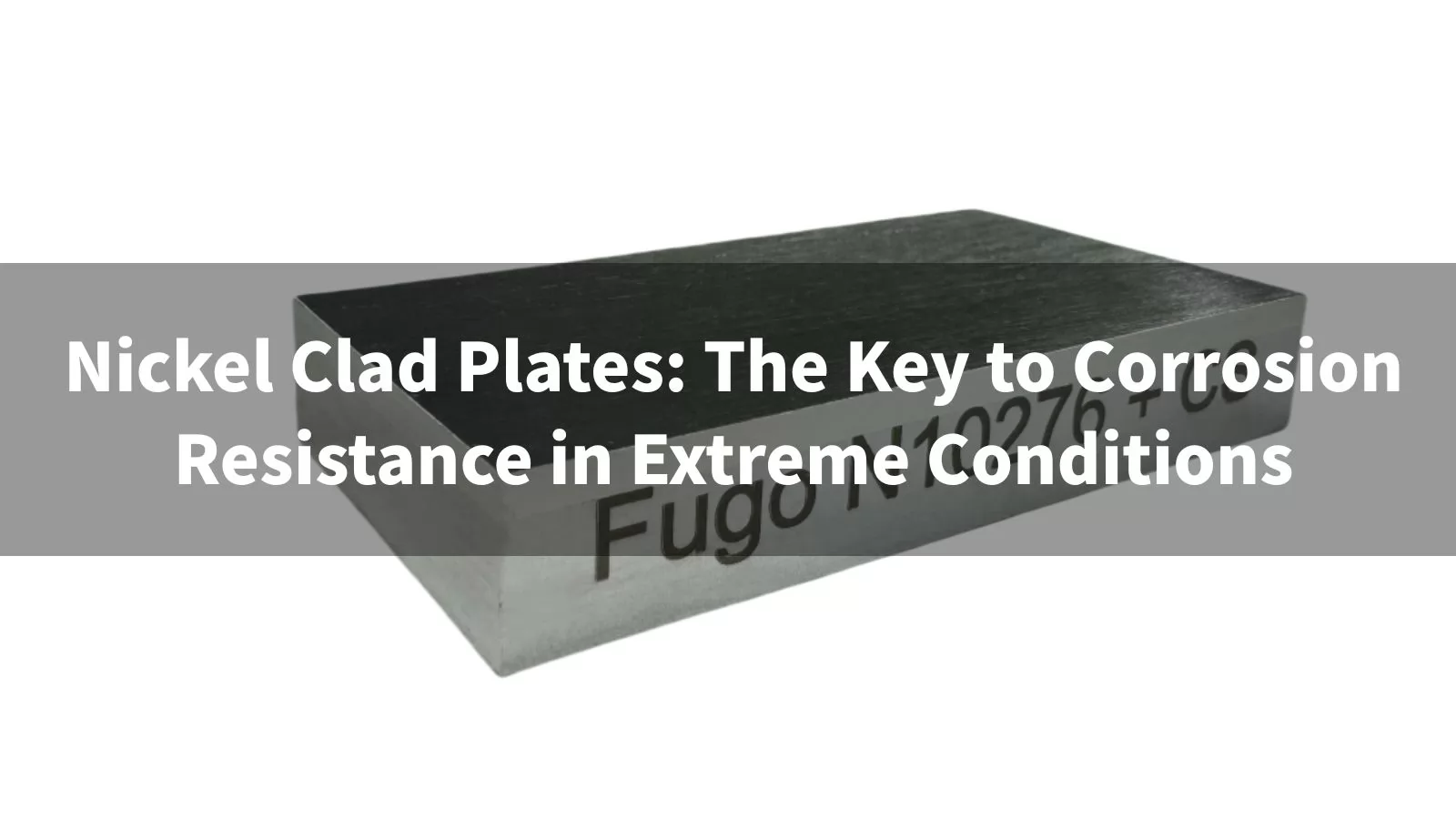
In industries where equipment faces relentless exposure to harsh chemicals, high temperatures, and corrosive environments, material failure can lead to catastrophic consequences. Nickel clad plates emerge as a critical solution, combining the superior corrosion resistance of nickel or nickel alloys with the structural strength and cost-effectiveness of a base metal like carbon steel. These composite materials are engineered for longevity in extreme conditions, making them indispensable in chemical processing, oil and gas, desalination, and marine applications.
A cross-section view of a nickel clad plate reveals a thin layer of nickel alloy metallurgically bonded to a thicker steel substrate, providing corrosion protection while maintaining mechanical integrity.
Nickel clad plates are bimetallic composites consisting of a layer of pure nickel or nickel-based alloys (such as Inconel, Monel, or Hastelloy) bonded to a backing material, typically carbon steel, stainless steel, or low-alloy steel. The cladding layer, usually 1-10 mm thick, provides the primary defense against corrosion, while the base metal offers mechanical strength, weldability, and reduced overall cost compared to solid nickel alloys.
This design leverages nickel's exceptional properties: outstanding resistance to pitting, crevice corrosion, stress corrosion cracking, and attack from acids, alkalis, and saltwater. Unlike coatings that can peel or wear off, clad plates feature a metallurgical bond that ensures long-term durability even under thermal cycling and mechanical stress.
Corrosion Resistance of Nickel Clad Steel Plates
Nickel clad steel plates excel in environments prone to corrosion, such as those involving chlorides or sour gases in the oil and gas sector.
Nickel's natural passivation forms a stable oxide layer that protects against oxidation and corrosion in aggressive media. In clad plates, this layer shields the underlying steel from corrosive agents, extending service life dramatically—often by decades—in applications where unprotected steel would fail rapidly.
For instance, in chloride-rich environments, nickel alloys resist pitting far better than stainless steels. This makes nickel clad plates ideal for handling sulfuric acid, hydrochloric acid, caustic soda, and seawater. The bond strength also prevents delamination, ensuring reliability in high-pressure, high-temperature (HPHT) conditions common in offshore platforms or chemical reactors.
Several advanced methods are used to produce nickel clad plates, each ensuring a strong, defect-free bond:
l Explosion Welding (Explosive Bonding): A detonator creates a high-velocity collision between the nickel layer and base metal, forming a wavy metallurgical bond. This technique is versatile for thick plates and dissimilar metals.
Explosion welding process and resulting clad pressure vessels demonstrate the robust bonding achieved for heavy-duty applications.
l Roll Bonding: Layers are hot- or cold-rolled under high pressure to achieve diffusion bonding, suitable for thinner sheets and continuous production.
Roll bonding produces uniform clad plates ideal for large-scale manufacturing.
Quality control includes ultrasonic testing, shear strength tests, and microstructural analysis to verify bond integrity.
Nickel clad plates are widely deployed in demanding sectors:
l Chemical Processing: Pressure vessels, heat exchangers, columns and reactors handling corrosive fluids like acids and alkalis.
Clad plates in chemical plants and pressure vessels withstand aggressive media while reducing costs compared to solid alloys.
l Oil and Gas: Pipelines, subsea equipment, and sour service vessels resistant to H2S and CO2 corrosion.
l Desalination and Marine: Evaporators and components exposed to seawater.
l Power Generation: Components in flue gas desulfurization systems.
These applications highlight how clad technology balances performance and economics.
As of late 2025, advancements include improved explosion welding for larger plates, hybrid bonding techniques, and eco-friendly processes reducing energy use. Demand is rising with expanding chemical industries, offshore energy projects, and stricter environmental regulations favoring durable, low-maintenance materials.
Innovations in nickel alloys with enhanced properties (e.g., better weldability) and digital monitoring of bond quality are further elevating performance.
In conclusion, nickel clad plates represent a smart engineering choice for combating corrosion in extreme conditions. By delivering the protective qualities of premium alloys at a fraction of the cost of solid materials, they enable safer, more sustainable operations across critical industries. As challenges intensify, nickel clad technology will continue to play a pivotal role in material innovation.

















Fugo Tech is focused on the manufacturing of clad metal plate and distributes the Stainless Steel, Titanium, Nickel Alloy, Zirconium and other non-ferrous metal pipes, fittings, and flanges.