


.png)

_1784099423_WNo_1332d930.webp)
_1784097315_WNo_1332d930.webp)
For decades, Clad Plate has been widely recognized as one of the most reliable materials for pressure vessels, heat exchangers, reactors, and storage tanks in the petrochemical industry. Its excellent combination of corrosion resistance and structural strength has made Clad Plate an essential material wherever aggressive media and demanding operating conditions exist.
Today, however, the story of Clad Plate is changing. As industries move toward sustainability, carbon neutrality, and higher operational efficiency, Clad Plate is expanding well beyond its traditional markets. From hydrogen production and offshore wind farms to desalination plants and battery metal processing, Clad Plate is becoming a key material supporting the global energy transition.
The growing adoption of Clad Plate reflects a simple engineering principle: industries need materials that provide long service life, outstanding corrosion resistance, high mechanical strength, and cost-effective performance. Few materials achieve this balance as successfully as Clad Plate.
Unlike solid alloy materials, Clad Plate combines two metals into one integrated material. A corrosion-resistant alloy is metallurgically bonded to a carbon steel or low-alloy steel base, allowing engineers to utilize the advantages of both materials simultaneously.
This unique structure offers numerous benefits:
· Outstanding corrosion resistance
· Excellent mechanical strength
· Lower material costs compared with solid alloys
· Longer equipment service life
· Reduced maintenance requirements
· Better lifecycle economics
· Improved fabrication flexibility
Depending on the application, different alloy combinations can be selected, including:
· Titanium Clad Plate
· Nickel Clad Plate
· Stainless Steel Clad Plate
· Duplex Stainless Steel Clad Plate
· Copper Clad Plate
· Zirconium Clad Plate
As industrial equipment becomes larger and more sophisticated, Clad Plate continues to provide an ideal balance between performance and cost.
The petrochemical industry remains one of the largest consumers of Clad Plate.
Refineries and chemical plants routinely operate under conditions involving:
· High temperatures
· High pressures
· Chloride-containing media
· Hydrogen sulfide (H₂S)
· Sulfuric acid
· Hydrochloric acid
· Various organic acids
These environments quickly attack conventional carbon steel equipment. While solid titanium or nickel alloys provide excellent corrosion resistance, they often result in prohibitively high project costs.
Clad Plate offers a practical alternative by placing the corrosion-resistant alloy only where protection is required while using carbon steel as the structural material.
Typical petrochemical equipment manufactured using Clad Plate includes:
· Pressure vessels
· Reactors
· Heat exchangers
· Distillation columns
· Separators
· Storage tanks
· Vacuum towers
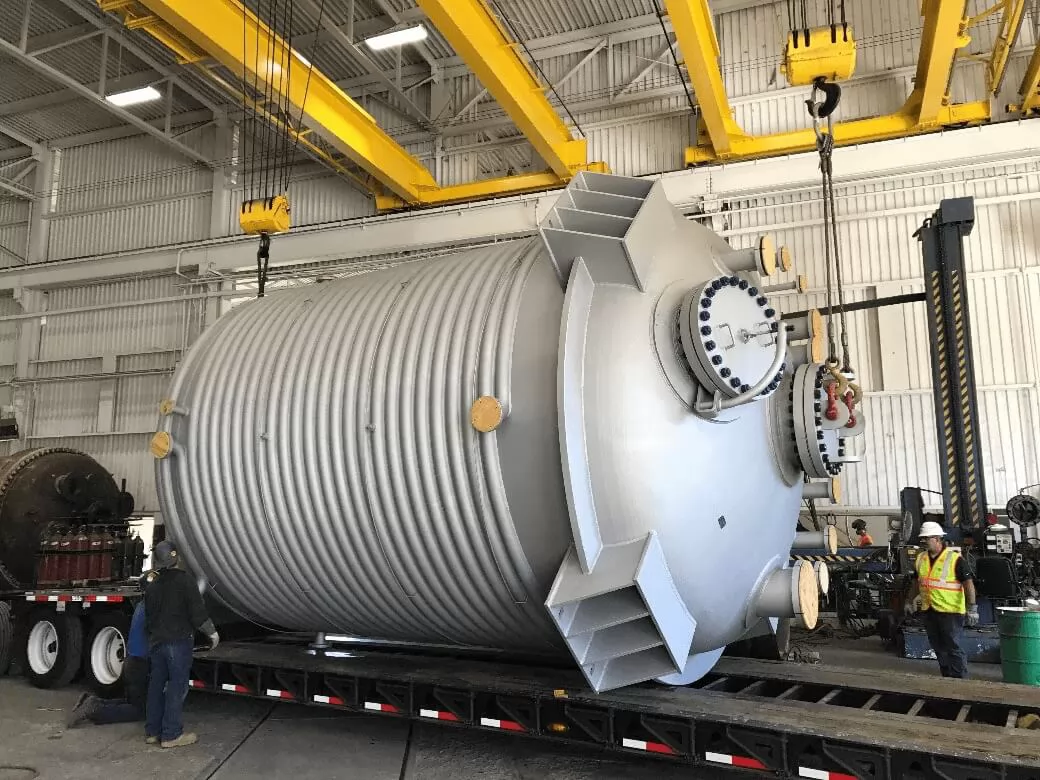
This approach significantly reduces material costs while maintaining the corrosion performance required for decades of reliable operation.
Hydrogen is widely regarded as one of the most important clean energy carriers for the future. As investment in green hydrogen continues to accelerate, demand for corrosion-resistant equipment is growing rapidly.
Hydrogen production systems involve highly demanding operating environments, including alkaline electrolytes, purified water systems, elevated temperatures, and continuous operation.
These conditions make Clad Plate an increasingly attractive material choice.
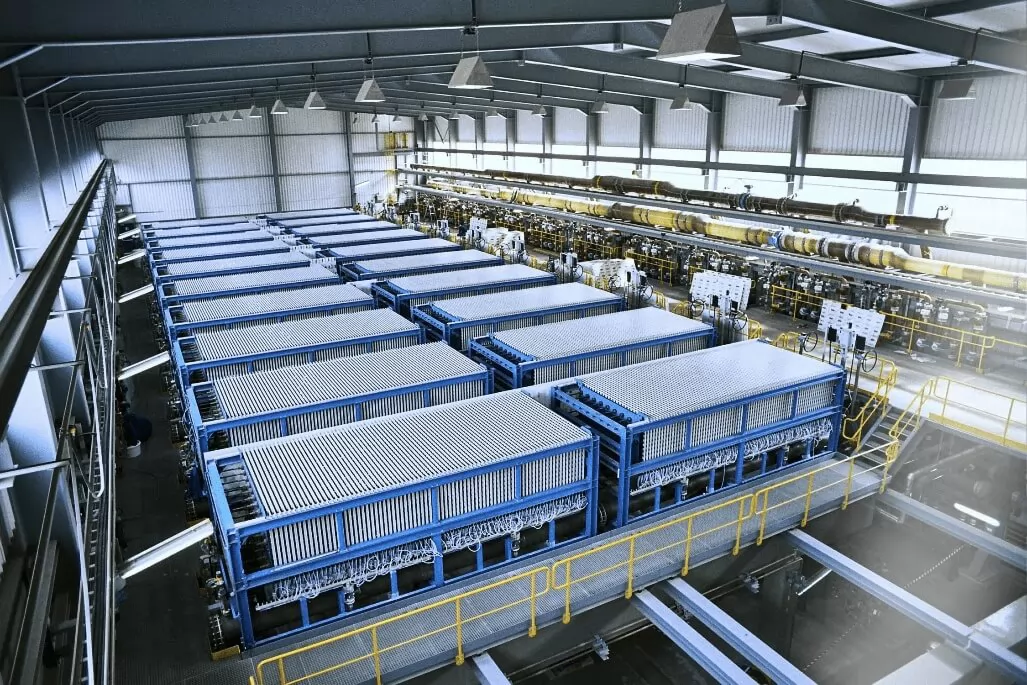
Typical hydrogen applications include:
· Electrolyzer pressure vessels
· Water treatment systems
· Hydrogen storage vessels
· Process heat exchangers
· Chemical process tanks
Among various material options, Titanium Clad Plate is particularly valued for its exceptional corrosion resistance in chloride-containing environments, making it suitable for long-term operation in hydrogen production facilities.
The offshore wind industry presents one of the harshest operating environments found anywhere in modern engineering.
Equipment must withstand:
· Continuous seawater exposure
· Salt spray
· High humidity
· Temperature fluctuations
· Cyclic mechanical loading
These conditions demand materials capable of resisting corrosion while maintaining structural integrity over many years.
As a result, Clad Plate is increasingly specified for:
· Offshore substations
· Cooling systems
· Auxiliary pressure vessels
· Seawater treatment units
· Marine process equipment
By combining corrosion-resistant alloys with structural steel, Clad Plate helps extend equipment life while controlling overall project costs.
Global demand for fresh water continues to increase, particularly in regions where freshwater resources are limited.
Modern desalination facilities continuously process seawater with extremely high chloride concentrations. Such environments quickly degrade conventional steels.
For this reason, Clad Plate has become a preferred material for many critical desalination systems.
Common applications include:
· Evaporators
· Flash chambers
· Heat exchangers
· Condensers
· Pressure vessels
· Brine treatment equipment
Titanium Clad Plate provides excellent resistance to seawater corrosion while significantly reducing costs compared with solid titanium construction.
The rapid growth of electric vehicles, renewable energy storage, and advanced battery manufacturing has dramatically increased demand for critical minerals such as lithium, nickel, cobalt, and copper.
Hydrometallurgical processing has become one of the most important extraction methods for these metals.
However, hydrometallurgical equipment must operate under extremely corrosive acidic conditions.
As a result, Clad Plate is widely used in:
· Autoclaves
· Leaching reactors
· Acid storage vessels
· Evaporators
· Pressure vessels
· Process tanks
Both Titanium Clad Plate and Nickel Clad Plate provide outstanding resistance against aggressive chemical environments, helping operators maximize equipment life while reducing maintenance costs.
Environmental regulations around the world have encouraged rapid investment in pollution control technologies.
Many environmental treatment systems operate with highly corrosive process streams, making Clad Plate an ideal material solution.
Typical applications include:
· Flue Gas Desulfurization (FGD)
· Wastewater treatment
· Waste acid recovery
· Chemical recycling
· Marine exhaust gas cleaning systems
· Industrial emission control equipment
In these applications, Clad Plate helps extend equipment life while reducing the frequency of shutdowns caused by corrosion-related maintenance.
Different industries require different corrosion-resistant alloys depending on process conditions.
|
Industry |
Recommended Clad Plate |
|---|---|
|
Petrochemical |
Stainless Steel Clad Plate, Nickel Clad Plate |
|
Oil & Gas |
Stainless Steel Clad Plate, Nickel Clad Plate |
|
Hydrogen |
Titanium Clad Plate |
|
Desalination |
Titanium Clad Plate |
|
Offshore Wind |
Stainless Steel Clad Plate, Duplex Clad Plate |
|
Hydrometallurgy |
Titanium Clad Plate, Nickel Clad Plate |
|
Environmental Protection |
Titanium Clad Plate, Stainless Steel Clad Plate |
|
Power Generation |
Stainless Steel Clad Plate |
Material selection should always consider:
· Corrosion environment
· Operating temperature
· Design pressure
· Chloride concentration
· Mechanical loading
· Fabrication requirements
· Expected service life
Proper material selection not only improves equipment reliability but also significantly reduces total lifecycle costs.
As industrial investment increasingly focuses on sustainability and long-term asset performance, Clad Plate offers a practical solution that combines durability with economic efficiency.
Compared with solid alloy construction, Clad Plate provides:
· Lower capital investment
· Excellent corrosion resistance
· Superior structural strength
· Easier fabrication
· Longer service life
· Lower maintenance costs
· Reduced lifecycle expenses
These advantages explain why Clad Plate is no longer limited to petrochemical plants. Today it has become an indispensable material for renewable energy, environmental engineering, marine applications, hydrometallurgy, desalination, and numerous emerging industries.
As global infrastructure continues to evolve, the demand for Clad Plate is expected to grow steadily across both traditional industrial sectors and clean energy projects.
Whether supporting a refinery reactor, a hydrogen electrolyzer, a seawater desalination system, or a battery metal processing plant, Clad Plate remains one of the most effective engineering materials for achieving long-term reliability, corrosion protection, and economic performance.
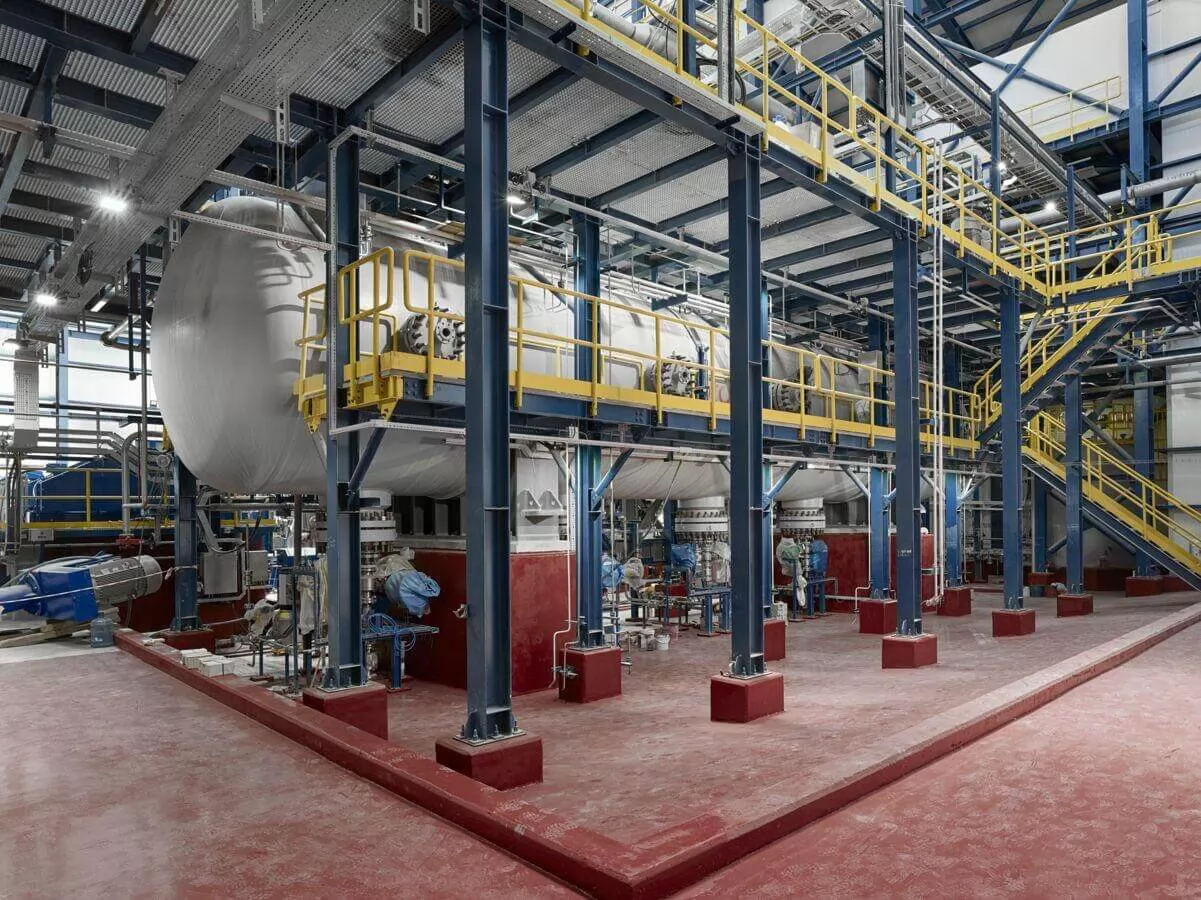
The future of industrial materials is no longer defined by a single industry. Instead, Clad Plate is demonstrating its versatility across an increasingly diverse range of applications, proving that advanced material solutions are essential to building safer, more efficient, and more sustainable industrial systems.

















Fugo Tech is focused on the manufacturing of clad metal plate and distributes the Stainless Steel, Titanium, Nickel Alloy, Zirconium and other non-ferrous metal pipes, fittings, and flanges.