


.png)

_1777270193_WNo_1332d930.webp)
In industrial applications, clad plate has become an essential material solution. Stainless Steel Clad plate , Titanium clad plate and nickel alloy clad plate are widely used in pressure vessels, heat exchangers, and offshore equipment. The quality of explosion bonding is defined by the metallurgical integrity between the base material and the cladding material.
Key indicators include strong bonding strength, continuous interface, absence of defects.
The mechanical properties of clad plate are critical indicators of bonding quality.
Shear strength is the most important parameter, typically ≥140 MPa depending on standards. Tensile tests should not fail at the bonding interface. Bend tests should show no cracking or delamination.
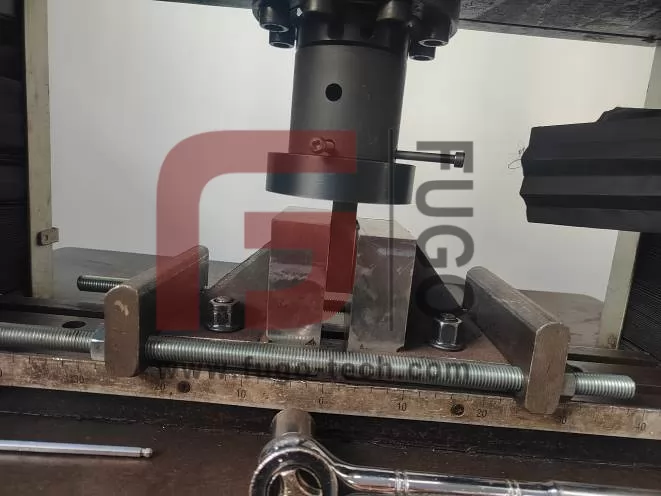
Shear Test of stainless steel clad plate
Ultrasonic Testing (UT) is widely used to inspect clad plate bonding quality, detecting unbonded areas, voids, and delamination.
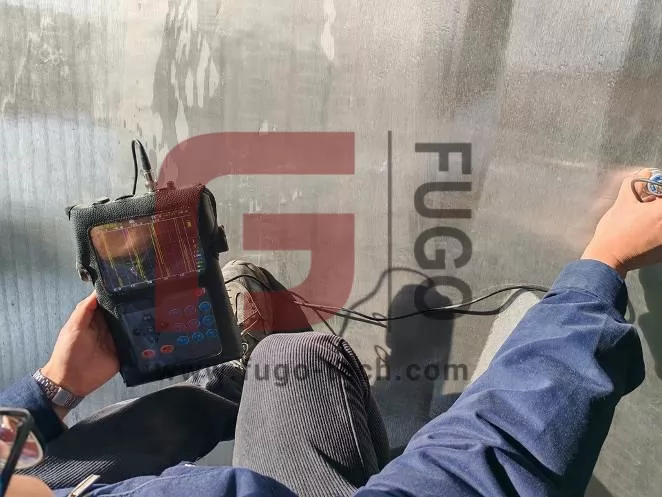
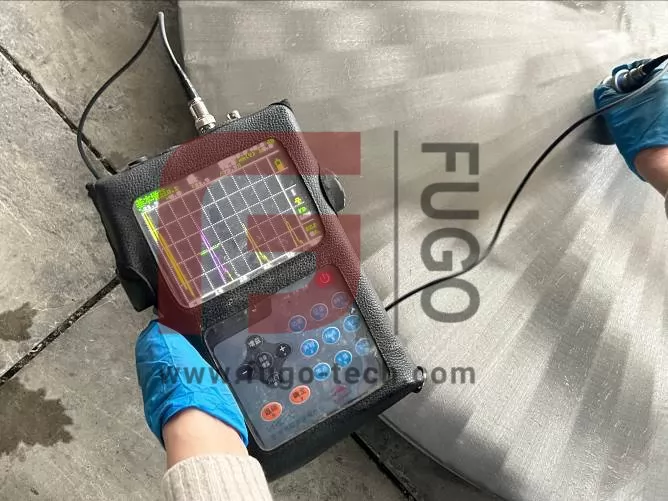
Ultrasonic Test of clad plate
Typical defects include unbonded, delamination, brittle intermetallic layers, and contamination. These defects reduce performance, especially in special alloy clad plate used in corrosive environments.
In metal explosion-clad plates used for tube sheets in corrosive environments, defects such as unbonded areas, delamination, brittle intermetallic layers, and contamination can lead to severe consequences. When tube holes are drilled, unbonded zones may create leakage paths between the cladding and base metal, allowing corrosive fluids to reach and attack the backing steel. Delamination can propagate under mechanical stress, causing cladding detachment and exposing the vulnerable base material.
High-quality clad plate must comply with international standards:
• ASTM A264 – Stainless Chromium-Nickel steel clad plate
• ASTM A265 – Nickel alloy clad plate
• ASTM B898 – Titanium clad plate
• ASTM B432 – Copper and Copper Alloy Clad Steel Plate
These standards define bond strength, testing methods, and acceptance criteria.
Additional factors include heat treatment stability, clad thickness uniformity, flatness, and corrosion resistance.
Nickel alloy clad plate must perform reliably in sour service environments, while titanium clad plate must resist seawater corrosion.
The quality of explosion bonding in clad plate manufacturing depends on mechanical strength, metallurgical bonding, defect-free interface, and compliance with standards.
High-quality titanium clad plate and nickel alloy clad plate ensure long-term reliability in critical applications.
Should you have any questions or needs regarding our clad plates, please do not hesitate to contact Fugo Tech.

















Fugo Tech is focused on the manufacturing of clad metal plate and distributes the Stainless Steel, Titanium, Nickel Alloy, Zirconium and other non-ferrous metal pipes, fittings, and flanges.