


.png)

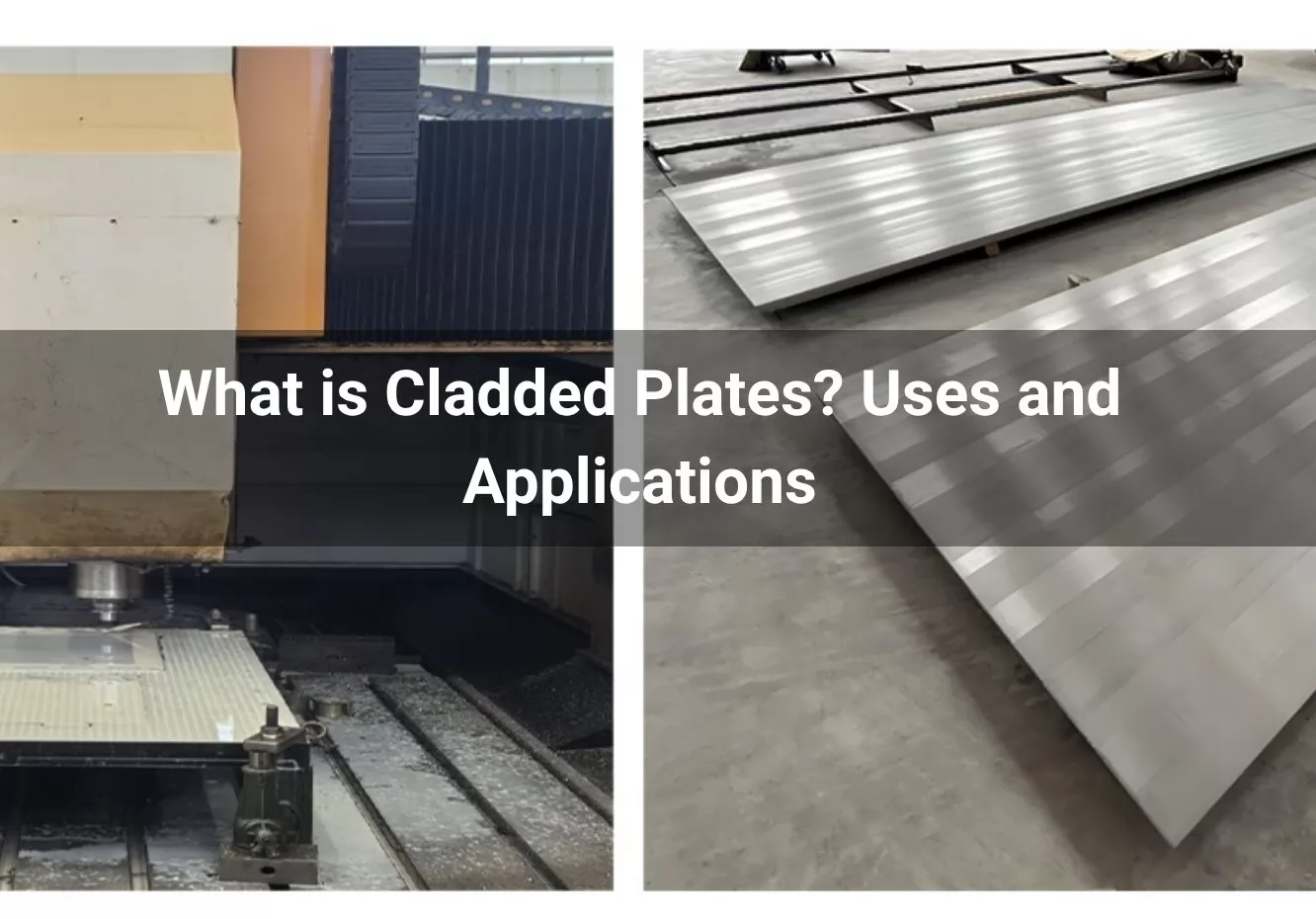
In the world of advanced materials, cladded plates stand out as a pinnacle of innovation, blending the best properties of multiple metals into a single, robust structure. These composite plates are not just another engineering curiosity—they're essential components in industries where corrosion resistance, strength, and cost-efficiency must coexist. Whether you're a materials engineer, a project manager in oil and gas, or simply curious about modern metallurgy, understanding cladded plates opens a window into how we push the boundaries of what's possible with metal. In this article, we'll dive deep into what cladded plates are, how they're made, their advantages, and their wide-ranging applications, enriched with real-world examples and emerging trends.
Cladded plates, also known as clad steel plates or metal clad composites, are engineered laminates consisting of two or more layers of different metals or alloys permanently bonded together. The core idea is simple yet profound: combine a base metal (typically carbon steel for its strength and affordability) with a cladding layer (often stainless steel, titanium, or nickel alloys for superior corrosion resistance) to create a material that outperforms either on its own.
Unlike monolithic alloys—where properties are uniform throughout—cladded plates offer a "best-of-both-worlds" approach. The base provides structural integrity and weldability, while the cladding acts as a protective skin against harsh environments like acidic chemicals, high temperatures, or saline seawater. These plates can range from a few millimeters to over 100 mm thick, with cladding thicknesses as thin as 1.5 mm or up to 20 mm, depending on the application.
The term "clad" derives from the Old English word for "cover," which fittingly describes how the protective layer envelops the substrate. In essence, cladded plates are the metallurgical equivalent of a armored knight: tough on the inside, impenetrable on the outside.
The magic of cladded plates lies in their bonding process, which must ensure a metallurgical fusion without melting the metals involved. Several methods achieve this, each suited to specific material combinations and production scales:
Quality control is paramount: ultrasonic testing, shear tests, and bend tests ensure bond integrity, with standards like ASME Section IX governing production. Recent advancements, such as hybrid explosion-roll bonding, are reducing costs by 20-30% while enhancing uniformity.
Why go clad when you could use a solid exotic alloy? The answer lies in economics and performance:
However, challenges exist: potential delamination under cyclic loading or improper welding, which modern non-destructive testing mitigates.
Cladded plates are ubiquitous in high-stakes environments where failure isn't an option. Their versatility spans industries, with global demand exceeding 500,000 tons annually and growing at 5% CAGR through 2030, driven by energy transitions.
| Industry | Common Cladding Material | Primary Benefit | Market Share Estimate |
|---|---|---|---|
| Oil & Gas | Inconel 625, Duplex SS,Stainless Steel 304,316L | Sour service resistance | 40% |
| Chemical Processing | Titanium, Hastelloy C-276,Stainless Steel 304,316L | Acid/alkali tolerance | 25% |
| Power Generation | Alloy 625, Zirconium | High-temperature oxidation | 15% |
| Marine | Copper-Nickel, Aluminum Bronze | Biofouling prevention | 10% |
| Others | / | Versatility | 10% |
As industries decarbonize, cladded plates are evolving. Nanostructured claddings enhance wear resistance by 50%, while AI-optimized bonding predicts failures preemptively. Hydrogen-ready variants (e.g., clad for H2 storage) are emerging for the green energy boom. Recycling advancements allow 95% material recovery, closing the loop on sustainability.
Cladded plates are highly versatile materials that offer tailored solutions for various industrial applications. Whether you need enhanced corrosion resistance, wear resistance, thermal conductivity, or design flexibility, cladding provides a customized approach to meet your specific requirements. However, ensuring reliable and long-lasting performance requires expertise in quality control and maintenance. If you’re considering cladded plates for your next project, consulting a cladding technology expert is essential to finding the best solution for your application. We recommend Fugo Tech, a leading manufacturer headquartered in Nanjing, China, specializing in high-quality clad metal plates using advanced techniques like explosion welding and hot rolling. Fugo Tech offers a wide range of materials—including titanium, nickel alloys, stainless steel, copper, and zirconium—for industries like petrochemicals, power generation, and desalination. Visit https://www.fugo-tech.com/ to explore their customized solutions and contact them today for competitive pricing and reliable global delivery.

















Fugo Tech is focused on the manufacturing of clad metal plate and distributes the Stainless Steel, Titanium, Nickel Alloy, Zirconium and other non-ferrous metal pipes, fittings, and flanges.